
AI Purchase Order Generator for Commercial Cleaning
An AI Purchase Order Generator for Commercial Cleaning that turns a site's scope and frequency into an authorised, itemised PO in minutes.

Built for Commercial Cleaning
Where it hurts
- Facility managers run competitive tenders and pick on price unless service quality is made tangible
- Scope ambiguity over frequency, areas and tasks causes disputes and missed expectations
- Buyers worry about reliability, vetted staff, insurance and cover for missed shifts
- Generic quotes fail to show health-and-safety compliance and consistent standards
- Contract terms, escalation and KPI reporting must be explicit to win and keep recurring work
Pricing model: recurring monthly contract by site and frequency
What you hand over
- Site survey and cleaning specification
- Scheduled janitorial service (daily/weekly)
- Floor, carpet and window care programme
- Washroom hygiene and consumables management
- Periodic deep-clean schedule
- Vetted, trained and insured staff
- Quality audits and KPI reporting

What goes into a Purchase Order
- 1PO number & order date
A unique PO number and order date that make this cleaning order traceable from issue through monthly billing.
- 2Buyer & supplier details
Buyer and supplier blocks naming the facility or managing agent and the commercial cleaning company delivering the service.
- 3Itemised order table
An itemised order table that breaks the engagement into scheduled janitorial visits, floor and carpet care, washroom hygiene, and periodic deep-cleans.
- 4Quantities & totals
Quantities and totals that turn frequency by site into a clear monthly figure for the recurring contract.
- 5Delivery terms & date
Delivery terms and a start date stating the cleaning cadence and when the service commences on site.
- 6Shipping & billing addresses
Shipping and billing addresses that separate the site being cleaned from the entity paying the invoice.
- 7References & authorisation
References and authorisation capturing staffing, insurance and cover commitments plus the buyer's sign-off that releases the order.
How Waxe builds your commercial cleaning purchase order
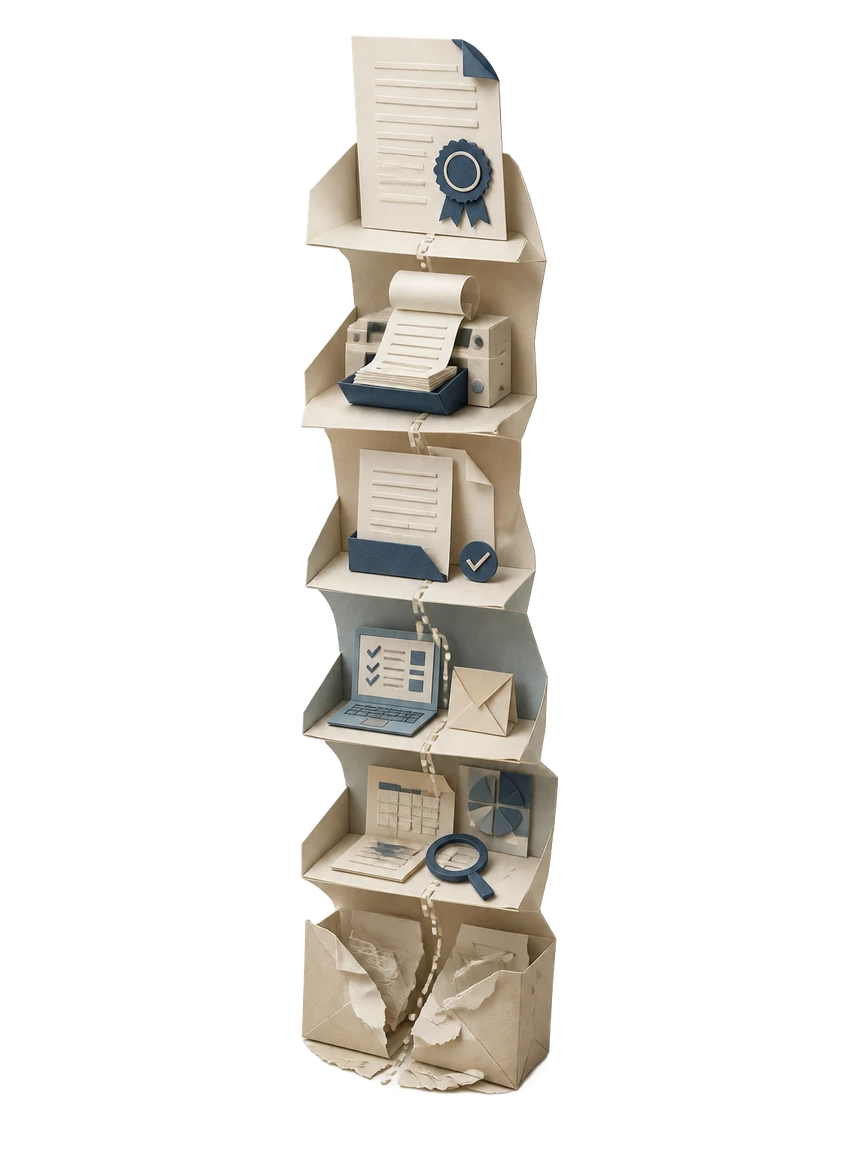
- 1
Share the site and specification
You give Waxe the site survey and cleaning specification: areas, surfaces, frequencies and any periodic deep-clean schedule. She uses this to define every service line. Nothing about scope is left to assumption, so frequency and tasks are pinned down before pricing.
- 2
Set sites, frequency and figures
Tell Waxe each site and its visit frequency along with your recurring monthly contract figures. She maps daily, weekly and periodic work into separate lines. Quantities and totals roll up to a monthly total tied to the agreed schedule, ready for review.
- 3
Add the standards that win the work
Waxe places your differentiators where buyers look for them: vetted, trained and insured staff, cover for missed shifts, quality audits and KPI reporting. These sit in the references and authorisation block so reliability and compliance are visible, not buried in a side conversation.
- 4
Generate the authorised PO
In about five minutes for a few cents, Waxe assembles the full purchase order with its anatomy in order: PO number and date, buyer and supplier, itemised table, totals, delivery terms, addresses, and authorisation. The layout reads as a finished commercial document, not a filled-in form.
- 5
Review, adjust and authorise
You scan the order, edit any line, frequency or total, and confirm the start date. When it is right, the authorisation block carries the sign-off that releases the order. The same itemised record becomes the reference you and the buyer return to throughout the contract.
What an on-brand cleaning purchase order looks like
The result reads like a document your office issued, not a generic form: your details in the supplier block, each site and frequency itemised, and monthly totals that tie to the agreed schedule. Service lines for janitorial visits, floor and washroom care, and deep-cleans sit alongside staffing, insurance and KPI commitments. Delivery terms, addresses and the authorisation line finish a clean, professional order.

The old way vs. the waxTable way
Why cleaning companies generate their POs with waxTable

A day of admin in about five minutes
Reconciling sites, frequencies and totals into a clean purchase order can take most of a working day. Waxe returns a finished, authorised order in about five minutes for a few cents, so quoting keeps pace with tenders.
Scope made explicit
Frequency, areas and tasks are itemised line by line instead of left to a covering email. That clarity is what prevents the scope disputes and missed expectations that cost cleaning companies recurring contracts.
Standards on the document
Vetted, trained and insured staff, cover for missed shifts, and health-and-safety compliance are written onto the order. Buyers see the reliability they worry about right where they authorise the purchase, not in a side attachment.
Built for recurring contracts
Pricing follows your recurring monthly model by site and frequency. Quantities and totals roll up to a monthly figure tied to the schedule, so multi-site engagements read clearly and bill consistently month after month.
KPIs and audits in plain sight
Quality audits and KPI reporting are placed on the order rather than buried in separate files. Making consistent standards tangible is what helps you win on more than price and keep the work once it is yours.
Questions, answered
What does the AI Purchase Order Generator for Commercial Cleaning actually produce?
It produces a complete buyer-issued purchase order for a cleaning engagement. Every PO carries a unique PO number and order date, buyer and supplier blocks, and an itemised table mapped to the service: scheduled janitorial visits, floor and carpet care, washroom hygiene and consumables, and periodic deep-cleans. Quantities and totals reflect your recurring monthly contract by site and frequency. Delivery terms, the start date, and an authorisation line close the document. Waxe assembles all of it from the details you give her.
How does it handle scope so frequency and tasks don't become disputes?
Scope ambiguity over frequency, areas and tasks is what causes missed expectations on cleaning contracts, so the PO names each line explicitly. Daily, weekly and periodic visits are itemised separately, with the areas and tasks they cover written next to quantities and totals. Delivery terms state the start date and cadence in plain language. The buyer and supplier both authorise the same itemised order. That shared, signed record is what you point to when a question comes up later.
Can the purchase order reflect reliability, vetted staff and insurance?
Yes. Buyers worry about reliability, vetted staff, insurance and cover for missed shifts, so those commitments belong on the order rather than in a separate email. Waxe can place vetted, trained and insured staffing and shift-cover terms into the references and authorisation block, alongside the itemised service lines. Delivery terms can record the schedule and what happens when a visit is missed. The result is one document that ties price to the standards you actually deliver.
How is pricing shown for a recurring monthly cleaning contract?
Cleaning runs on a recurring monthly contract priced by site and frequency, and the PO mirrors that. The itemised order table lists each site and service line with its quantity and total, so a multi-site or multi-frequency engagement reads clearly. Quantities and totals roll up to a monthly figure tied to the agreed schedule. Shipping and billing addresses separate the cleaned site from the paying entity. Nothing is per-token or hidden; the order shows what is being bought and for how much.
How fast is it, and what does it cost to generate one?
Drafting a clean, authorised purchase order by hand can eat the better part of a working day once you reconcile sites, frequencies and totals. Waxe does the same work in about five minutes for a few cents. You give her the site survey and specification, the schedule, and the contract figures, and she returns a finished PO with the right anatomy in order. You review, adjust any line, and authorise. The time saved goes back into winning and keeping recurring work.
Your next purchase order, in five minutes
Tell Waxe about the client and get a complete, on-brand purchase order to review — the work of two days for a few cents. There is no blank page to start from and nothing to format by hand; you answer a short brief, Waxe does the drafting, and you keep full control of the final document in the editor.