
AI Proposal Generator for Graphic Design
waxTable is an AI Proposal Generator for Graphic Design that turns a discovery brief into a visual, scope-capped studio proposal in minutes.

Built for Graphic Design
Where it hurts
- Clients undervalue creative work and ask for 'just a logo' without understanding the strategy and rounds behind it
- Unlimited revisions destroy margin when the proposal doesn't cap rounds and define what a round is
- Usage rights, source files and licensing get contested later if ownership isn't spelled out upfront
- A plain, text-heavy quote undercuts a studio whose whole value proposition is visual craft
- Prospects compare a bespoke identity engagement to a cheap template marketplace on price alone
Pricing model: fixed project fee by scope and rounds
What you hand over
- Creative brief and discovery workshop
- Moodboards and design direction concepts
- Logo suite and brand mark variations
- Colour, typography and visual system
- Brand guidelines document
- Print and digital asset templates
- Final artwork, source files and usage licence
What goes into a Proposal
- 1Problem & desired outcome
Opens on the client's brand problem and the visual outcome they want, so the proposal leads with their goal rather than your price.
- 2Recommended approach
Lays out your recommended creative approach, from discovery workshop through moodboards and design direction to a coherent visual system.
- 3Scope of work
Defines the scope of work in detail, naming the logo suite, colour and typography system, brand guidelines, and asset templates, plus what counts as one round of revisions.
- 4Phased timeline
Maps a phased timeline across discovery, concept exploration, refinement rounds, and final artwork delivery so the client knows what happens when.
- 5Commercial terms
States the fixed project fee by scope and rounds, with usage rights, source-file handling, and licensing spelled out before work begins.
- 6About us & case studies
Builds credibility with a short studio introduction and relevant identity case studies that show the calibre of work behind the fee.
- 7Next steps & call to action
Closes with clear next steps and a single call to action to approve the scope and start discovery.
How Waxe builds your graphic design proposal
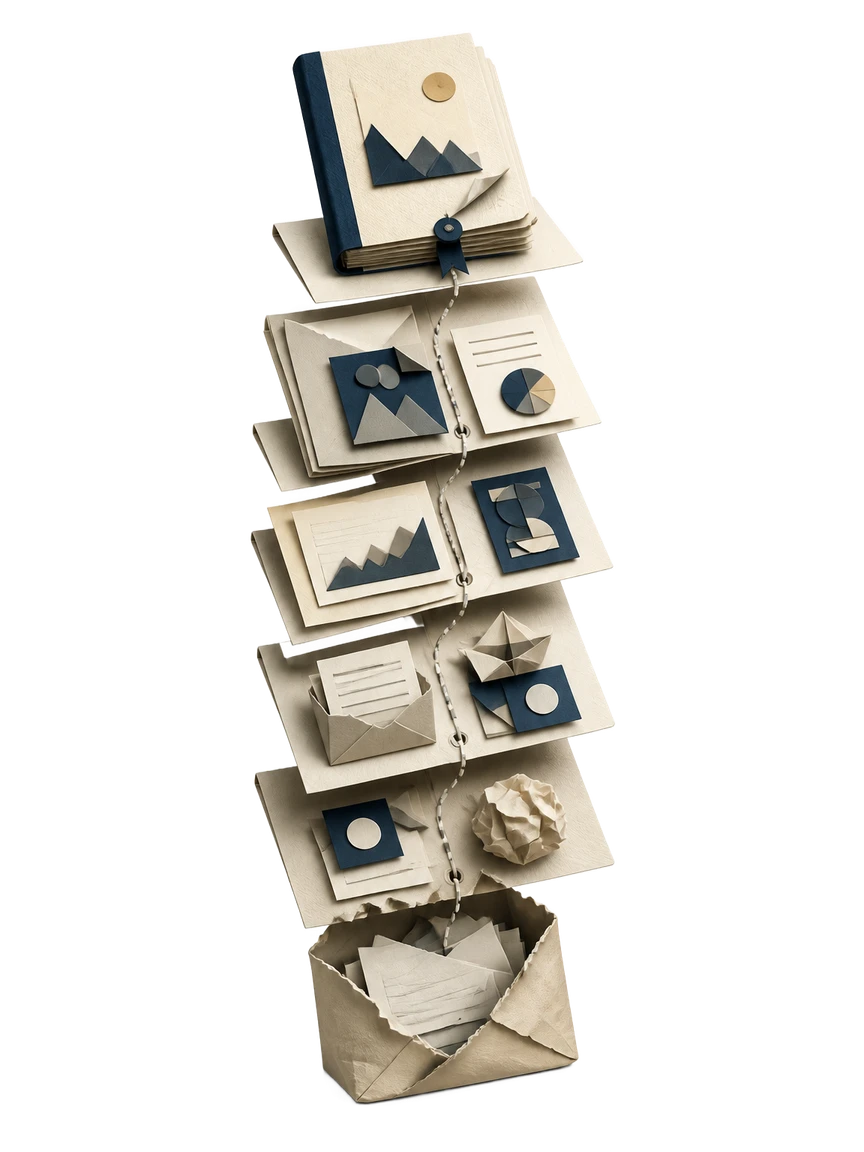
- 1
Share the brief
Give Waxe the client name, the brand problem, and what they think they need, even if it's 'just a logo'. She reads it against how design studios sell and surfaces the strategy and rounds the client hasn't accounted for yet.
- 2
Set scope and rounds
Confirm the deliverables, from creative brief and moodboards to the logo suite, visual system, and brand guidelines. Waxe defines what a single round of revisions includes and how many rounds your fixed fee covers, so margin is protected from the start.
- 3
Lock the commercial terms
Waxe drafts your fixed project fee tied to scope and rounds, then writes usage rights, source-file handling, and licensing into the terms. Ownership is agreed upfront, removing the dispute that usually surfaces after final artwork ships.
- 4
Design the document
waxTable lays the proposal out as a branded, visual piece in your colour and typography choices. Instead of a flat text quote, the client sees craft on every page, which justifies the engagement against cheaper template marketplaces.
- 5
Review and send
Open the finished proposal in the editor, adjust any wording or figures, and send. The whole pass takes about five minutes for a few cents, turning what was an afternoon of formatting into a same-hour reply.
What an on-brand studio proposal looks like
The result reads like one of your own case studies, not a quote template. The cover and section openers carry your colour and typography, the scope of work names the logo suite, visual system, and brand guidelines as discrete deliverables, and the commercial terms cap revision rounds and fix usage rights before a single concept is drawn. It is a document a design studio is proud to send, because it shows the craft that justifies the fee.

The old way vs. the waxTable way
Why studios use waxTable for proposals

Revision rounds that protect margin
Every proposal defines what a round of revisions is and caps how many the fee includes. Out-of-scope changes are flagged as billable, so feedback stays bounded and your profit on a fixed project fee survives the final stretch.
Ownership settled upfront
Usage rights, source files, and licensing are written into the commercial terms before work begins. The proposal states what transfers and what stays yours, ending the post-delivery dispute over who owns the artwork.
A document that shows the craft
waxTable designs the proposal in your colour and typography instead of a flat text quote. A studio whose value is visual work finally sends a sales document that looks the part, justifying the engagement on craft, not price.
Fees anchored to scope and rounds
Waxe ties your fixed project fee to named deliverables and a set number of rounds. The number is connected to the brief, the logo suite, and the brand guidelines, so clients see value rather than an hourly guess.
Minutes, not an afternoon
What used to be a long formatting session becomes a five-minute pass for a few cents. You reply to a hot prospect the same hour and spend the recovered time on the design work that actually pays.
Questions, answered
What makes this AI Proposal Generator for Graphic Design different from a generic quote tool?
It is built around how design studios actually sell, not a blank text box. Waxe opens on the client's brand problem and the outcome they want, then lays out your recommended approach, scope of work, a phased timeline, and clear commercial terms. It frames revisions as capped rounds and spells out usage rights, source files, and licensing upfront. The result looks like the work of a studio whose whole value is visual craft, so a bespoke identity engagement never reads like a cheap template marketplace listing. You go from notes to a polished proposal in about five minutes for a few cents.
How does it stop unlimited revisions from destroying my margin?
Every proposal Waxe drafts defines what a round of revisions actually is and caps how many are included in the fee. Instead of an open-ended promise, the scope of work names the deliverables, the number of concepts, and the review points where feedback is collected. Out-of-scope changes and extra rounds are flagged as billable in the commercial terms. That turns 'just tweak it again' into a clear conversation about scope rather than a quiet erosion of your margin. Clients sign knowing exactly what is and is not included.
Can it protect usage rights and source files so ownership isn't contested later?
Yes. Waxe writes the licensing and ownership language directly into the commercial terms and the final-artwork section, so it is agreed before work starts. The proposal states which assets transfer, what usage rights the client receives, and how source files and the working files are handled. It distinguishes the brand guidelines, asset templates, and final artwork from your underlying source files. That removes the awkward post-project dispute where a client assumes they own everything. The terms are spelled out while you still have leverage at the proposal stage.
Will the proposal actually look like a design studio made it?
That is the point. A plain, text-heavy quote undercuts a studio whose value proposition is visual craft, so waxTable designs the proposal as a branded document, not a wall of text. Moodboard direction, your colour and typography choices, and the structure of your scope are presented with the same care as your client work. It reads as a considered piece of design, which justifies a fixed project fee rather than inviting a price-only comparison. Prospects see craft on the first page instead of a spreadsheet.
How does it handle pricing when I charge a fixed project fee by scope and rounds?
Waxe builds the commercial terms around your model: a fixed fee tied to a defined scope and a set number of rounds. The proposal connects the fee to specific deliverables, the creative brief, the logo suite, the visual system, and the brand guidelines, so the number is anchored to value rather than hourly guesswork. Phased timelines and payment milestones can map to discovery, concepts, and final artwork. This helps clients who undervalue creative work see the strategy and rounds behind 'just a logo'. You present one clear figure for a clearly bounded engagement.
Your next proposal, in five minutes
Tell Waxe about the client and get a complete, on-brand proposal to review — the work of two days for a few cents. There is no blank page to start from and nothing to format by hand; you answer a short brief, Waxe does the drafting, and you keep full control of the final document in the editor.